




Monday
Jan262015

Leaked images, details of HTC One M9 smartphone emerge

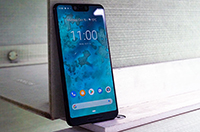
HTC is expected to be releasing the successor to the HTC One M8 at Mobile World Congress in Barcelona. The updated flagship expects to carry on the look and feel of its predecessors while adding a new 20 megapixel rear camera. Some images claiming to be photos of a pre-release unit have surfaced, giving us a sneak peek at what to expect. 

We've also heard that this handset will be packing some powerful specs starting with a Snapdragon 810 chipset with Adreno 430 GPU based on an octa-core processor. 3GB of RAM and a 5-inch 1080p HD display plus a 2,840mAh battery round out the specs of this phone which is expected to run Android Lollipop under the latest HTC Sense 7 UI. The photos do show many similarities to the HTC One (M8) but that rear camera looks more imposing thant the Ultrapixel shooter from previous HTC Ones. 

Source: Phandroid

Monday
Jan262015

Windows Bean Loader launches, first wireless Arduino programming app for Windows users

Punch Through Design, a hardware and software development firm that brings Bluetooth Low Energy hacking to the masses, has released the Windows Bean Loader, the first-ever wireless Arduino programming app for Windows users. Using the loader app, Windows-based developers and hobbyists can easily upload code to their LightBlue Bean and experience the power of Bluetooth Low Energy, without cables or a physical connection to the LightBlue Bean.

Click to read more ...

Monday
Jan262015

Samsung working on wearable sensor for stroke detection

Hoping to lessen disabilities and casualties caused by strokes, a group of engineers from the Samsung Creativity Lab are working on a wearable sensor to detect strokes and let people know that they need to go in for treatment. Those with stroke symptoms usually put off going to the doctor because they aren’t familiar with the signs. They call the prototype Early Detection Sensor & Algorithm Package. The head-worn sensor can monitor brainwaves via smartphone and tablet and predict the probability of an oncoming stroke. It can even track neurological health, stress, anxiety, and sleep patterns. There is no indication though that the prototype will reach mass production though. It would be good if it will though.

Source: Samsung | Via: Android Community

Monday
Jan262015

MakerBot releases Android app

MakerBot has finally made its way to Android. This means you can control your 3D printer right from your Android device. The app is pretty similar to the iOS version. It lets you choose a design from the collection on Thingiverse or from your own library. You can scale and adjust them and then send them to the printer.

You can even monitor the progress right from the printer’s built-in camera and pause and resume printing as needed. The app is available for free on Google Play and works with MakerBot Replicator, MakerBot Replicator Mini, and MakerBot Replicator Z18.

Source: MakerBot | Via: The Verge | Download: Google Play Store (Free)