



Tuesday
Oct042016

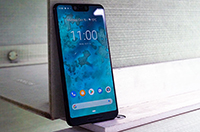
Google enters premium smartphone game with Pixel and Pixel XL

Text and photos by Gadjo Cardenas Sevilla

Google is now a player in the smartphone game. While the company did dabble in creating specific devices with hardware partners during its now defunct Nexus phase, it left the building of the hardware to OEMs. Nexus is all but dead and there are valid reasons for that. Google is looking forward to a future where they make the whole widget in order to ensure the best experience. 

The 5-inch Pixel and the 5.5-inch Pixel XL represent the most cohesive idea of a Google Phone since the first Android device shipped eight years ago. The Pixel devices are flagship phones (they start at $899) that boast top-tier specs, camera performance that Google says will beat any smartphone as well as a bevy of intelligent assistant features powered by Google services. 

Click to read more ...

Tuesday
Oct042016

How to watch Google's special event today

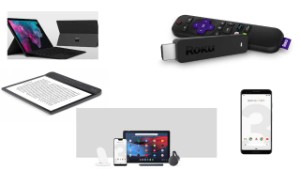
We're a few hours away from a monumental Google event which is expecte to see the search giant reveal a slew of hardware devices ranging from new smartphones, updated Chromebooks, VR headsets, a 4K Chromecast as well as a bevy of other features and services. You can watch the live stream above or here. As well as follow our reports from the Canadian satellite event on our Twitter feed as well as on this page. 

Tuesday
Oct042016

SourceCode: Reasons why Google discontinued the Nexus line of devices


By Gadjo Cardenas Sevilla

Google is expected to launch an entire new brand of smartphones under its Pixel line of devices which will effectively retire the company's longstanding Nexus brand. Nexus devices have been Google-approved reference designs built by partner OEM's and were created to showcase the latest and greatest features of the Android OS on hardware that often pushed the envelope in design and, more importantly, the Pure Google experience. 

Nexus devices have been popular with enthusiasts, phone geeks and tinkerers who wanted to extend the functionality of their phone way beyond what OEM devices had to offer. Nexus also meant no bloatware from phone manufacturers or carriers which took up a lot of the limited and non-expandable storage Nexus devices come with.

Click to read more ...

Monday
Oct032016

Faraday Future and LG work together on EV batteries

via GIPHY

Faraday Future has just partnered with LG Chem, one of the biggest lithium-ion battery manufacturers in the world.  LG Chem has provided batteries to GM for its all-electric Bolt. According to Faraday Future’s Vice President of Global Supply Chain Tom Wessner, “LG Chem worked closely with Faraday Future to develop a tailored cell chemistry to optimize the range and safety of our mass production battery hardware.” The batteries they are developing are built specifically for Faraday Future’s VPA platform, which is a modular platform that allows the car manufacturer to build cars with varying sizes and different battery capacities. The structure is arranged in what Faraday Future calls strings, allowing them to add or remove these rows and change the battery capacity.

This’ll fit perfectly into the subscription-based model Faraday Future wants to implement in the future. There is no specific timeline yet when we can expect production vehicles from the company but it has hinted before that we can see the first few cars before the year 2020.

Source: Business Insider